

Cosmetic dentistry in Brooklyn helps people feel more confident and comfortable with their smiles by correcting stains, chips, gaps, and misaligned teeth. You can achieve a natural-looking, healthier smile that improves appearance, function, and long-term oral health with treatments tailored to your needs.
They explore options from whitening and veneers to dental implants and orthodontics, all delivered with modern technology and gentle care. The article highlights practical benefits, costs, and what to expect so you can decide whether cosmetic dentistry in Brooklyn fits your lifestyle and goals.
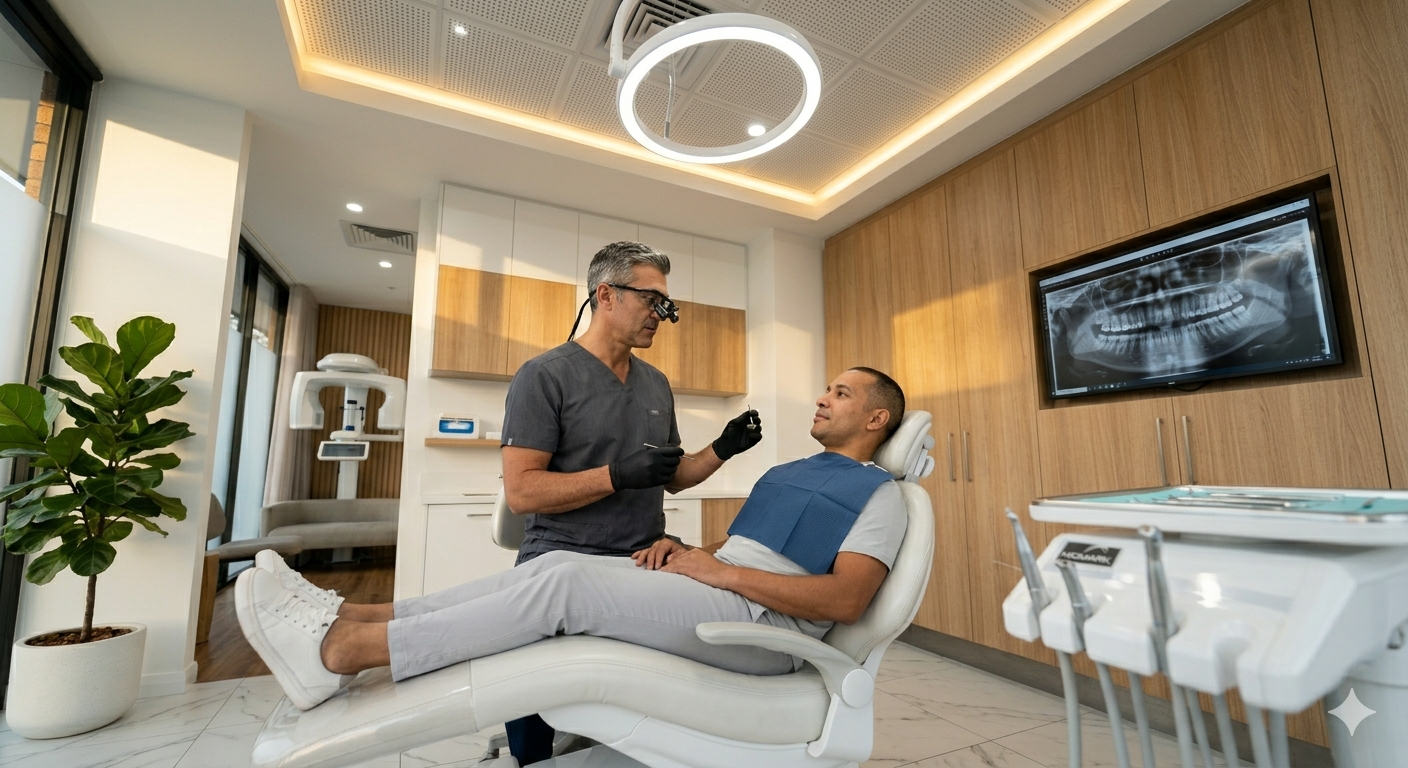
Cosmetic dentistry improves appearance while addressing practical concerns like bite function and tooth strength. It can increase confidence, correct discoloration or irregular shapes, and close gaps or mild misalignments with targeted treatments.
Patients often report noticeable changes in self-image after cosmetic dental work. A single visible flaw—stained or chipped front teeth—can make someone smile less. Correcting that with veneers, bonding, or whitening restores a natural-looking smile that patients feel comfortable showing in photos, meetings, and interviews.
Dentists tailor treatment plans to the patient’s goals and lifestyle. For someone who smiles frequently at work, durable porcelain veneers offer stain resistance and long-term shape control. For a budget-conscious patient, composite bonding provides quicker, less invasive improvement with same-day results.
Insurance may not cover elective cosmetic procedures, so practitioners discuss costs, financing, and staged treatment options. They also address dental anxiety by explaining steps, offering sedation options, and using previews (digital smile design) so patients know expected outcomes before treatment begins.
Tooth whitening, porcelain veneers, and composite bonding each target color and shape in distinct ways. Whitening removes internal and external stains and suits healthy enamel; it works best for generalized discoloration rather than single dark teeth. Veneers cover the front surface of teeth to change color, length, and minor contours with highly natural results.
Composite bonding adds tooth-colored resin to reshape chipped or short teeth in one visit. It preserves more enamel than veneers but may require maintenance sooner. Porcelain crowns or veneers offer superior color stability and resistance to wear, ideal for patients seeking a permanent aesthetic upgrade.
Dentists assess enamel thickness, bite dynamics, and gum display before recommending an option. They often use mock-ups or temporary veneers so patients can evaluate shape and shade. This step reduces surprises and aligns clinical decisions with the patient’s desired outcome.
Minor spacing issues and mild misalignments affect smile symmetry and can trap food, increasing decay risk. Orthodontic approaches like clear aligners move teeth gradually and discreetly; they also improve bite function and chewing comfort. Aligners suit adults with predictable tooth movements and good periodontal health.
For small gaps or rotated teeth, veneers or bonding may offer faster cosmetic closure without orthodontics. Veneers change tooth width and contour to achieve even spacing, while bonding can fill gaps in a single appointment. Dentists weigh long-term oral health, recommending orthodontics when bite correction is necessary.
Treatment planning includes digital scans, X-rays, and occlusal analysis to choose the most conservative and durable solution. Follow-up care—retainers after orthodontics or maintenance for restorations—helps preserve alignment and the improved smile over time.
Brooklyn practices offer fast, effective options for brightening, reshaping, and repairing smiles. Patients can expect tailored plans that balance appearance, durability, and comfort.
Professional whitening in Brooklyn typically includes in-office laser or LED-accelerated systems and dentist-supervised take-home kits. In-office treatments use higher-concentration peroxide gels and light activation to lift deep stains in one visit, producing noticeable results within 45–90 minutes.
Take-home kits provided by the dentist use custom-fitted trays and lower-concentration peroxide for gradual whitening over 1–2 weeks. They reduce sensitivity compared with over-the-counter strips because the trays fit precisely and the dentist recommends appropriate wear time. Dentists screen for restorations, gum disease, or enamel issues first; crowns and veneers do not whiten, so restorations may need replacement for a uniform color match.
Typical maintenance includes touch-ups every 6–12 months depending on diet and habits like coffee, wine, or smoking. Many Brooklyn offices pair whitening with a short consultation, oral exam, and desensitizing options to improve comfort.
Porcelain veneers cover the front surfaces of teeth to correct chips, gaps, discoloration, and minor misalignment. Dentists in Brooklyn use thin, high-strength ceramic bonded to prepared enamel, matching shape and shade to surrounding teeth for a natural appearance.
The process usually takes two visits: a conservative tooth preparation and digital impressions at the first, then bonding the final restorations at the second. Laboratories craft veneers to mimic light transmission and texture of natural enamel; quality labs and skilled ceramists make the biggest difference in lifelike results. Veneers resist staining better than natural teeth but still require careful oral hygiene and regular dental visits.
Candidates should have sound gums and sufficient enamel for bonding. Dentists discuss long-term expectations, costs, and alternatives such as bonding or orthodontics before recommending veneers.
Dental bonding uses tooth-colored composite resin applied and shaped directly on the tooth to repair chips, close small gaps, or mask stains. Most bonding procedures finish in a single 30–60 minute visit without anesthesia, making it a convenient option for busy Brooklyn patients.
The dentist roughens the enamel, applies an adhesive, sculpts the resin, then hardens it with a curing light. Bonding matches tooth color well but is less stain-resistant and durable than porcelain; typical lifespan ranges from 5–10 years with proper care. Repairs or touch-ups are simpler and less costly than replacing a veneer.
Bonding suits patients seeking a conservative, lower-cost cosmetic fix or a test drive before committing to longer-term restorations. Dentists evaluate bite forces and tooth position to ensure bonding will hold up in the long run.
Cosmetic dental work often improves the function and cleanliness of teeth while also enhancing appearance. Over time, treatments like crowns, veneers, and orthodontics can change how teeth contact and how easy they are to care for.
Cosmetic procedures can remove or cover damaged surfaces that trap plaque and debris. For example, smoothing rough edges with bonded restorations or placing veneers over fractured enamel reduces catch-points where food lodges, making brushing and flossing more effective.
When teeth are aligned or gaps are closed through orthodontics or bonding, interdental cleaning becomes simpler. Patients report fewer missed areas with daily flossing and interdental brushes after treatment, which lowers plaque buildup and gingival inflammation.
Many cosmetic practices include targeted hygiene coaching. Dentists and hygienists demonstrate techniques specific to new restorations—such as using a floss threader around fixed bridges or non-abrasive toothpaste for veneers—so patients protect their investment and maintain gum health.
Restorative cosmetic work often closes pathways that lead to decay and wear. Placing properly fitted crowns or onlays on cracked teeth restores structural integrity and prevents fractures that would otherwise require emergency treatment.
Correcting bite imbalances with occlusal adjustment or orthodontics distributes chewing forces more evenly. This reduces accelerated wear, chipping, and temporomandibular joint strain, lowering the chance of complex, costly procedures later.
Many cosmetic treatments pair with routine monitoring. Dentists schedule follow-ups to check margins, polish surfaces, and address early signs of recurrent decay, which helps catch problems before they escalate into root canals or extractions.
Practices in Brooklyn focus on treating each patient as an individual, combining modern techniques with attention to comfort and clear communication. Staff tailor scheduling, anesthesia choices, and follow-up so visits fit life and reduce stress.
Dentists use several specific methods to reduce fear: calming office environments, private treatment rooms, and noise-cancelling headphones. Many offices offer nitrous oxide for mild sedation and oral sedatives for longer procedures; the team explains dosage, effects, and recovery before any medication is given.
Clinics often train staff in patient communication techniques like “tell-show-do,” where the dentist describes a step, demonstrates it, then performs it. This reduces surprises and builds trust. For patients with strong anxiety, practices coordinate with physicians for medical clearance and post-op monitoring when deeper sedation or IV sedation is recommended.
They also provide practical comfort measures: cushioned chairs, warmed blankets, and scheduled short breaks during long appointments. Financial counseling and clear treatment timelines relieve stress linked to cost and time, making cosmetic care more approachable.
Providers evaluate cosmetic goals with detailed records: high-resolution photos, digital smile design software, and intraoral scans to map tooth position and bite. These tools let the dentist show realistic before-and-after simulations and adjust shape, shade, and alignment to the patient’s facial features.
Treatment plans combine options such as porcelain veneers, tooth-colored bonding, clear aligners, and whitening in phased steps. The dentist explains trade-offs—longevity, maintenance, and cost—for each option and recommends sequences (for example, leveling with aligners before placing veneers) to protect tooth structure.
Follow-up schedules and maintenance plans are personalized too: professional whitening touch-ups, night guards for bruxism, and periodic photos to track changes. Patients receive written plans with estimated timelines and itemized costs so they can make informed decisions and prepare for treatment.
Brooklyn practices invest in tools that reduce chair time, increase accuracy, and improve comfort. Patients benefit from smaller restorations, clearer treatment previews, and fewer unexpected visits.
Clinics use air abrasion, diode lasers, and bonded restorations to preserve more natural tooth structure. Air abrasion removes decay with a focused stream of aluminum oxide particles, often eliminating the need for local anesthesia for small cavities. Diode lasers treat soft-tissue issues—like gummy smiles or minor frenectomies—with less bleeding and faster healing compared with scalpels.
Adhesive bonding and high-strength composite materials allow conservative repairs that blend with the tooth’s color. Instead of full crowns, dentists often place onlays or partial ceramic restorations milled with CAD/CAM systems the same day. This reduces the number of appointments and the time spent wearing provisional restorations.
Minimally invasive approaches also emphasize prevention: selective sealants, fluoride varnishes, and routine monitoring with digital radiographs help catch problems earlier. These methods lower long-term costs and preserve a patient’s natural smile.
Intraoral scanners create precise 3D models of teeth in minutes, replacing messy impressions. Scans feed directly into CAD/CAM workflows so crowns, veneers, and nightguards are designed and milled with tight tolerances. That accuracy improves fit and reduces adjustment visits.
Cone beam CT (CBCT) gives detailed views of bone, nerves, and sinus anatomy for implant planning and complex cases. Dentists use CBCT to map implant positions, avoiding nerve injury and optimizing aesthetic outcomes. For cosmetic cases, combined CAD software simulates changes to tooth shape, length, and alignment so patients can see photorealistic before-and-after images.
Many practices offer virtual smile previews during the consultation and provide printed or digital mockups. This helps set realistic expectations and lets patients choose shade, shape, and treatment timing with confidence.
Improved dental appearance often leads to measurable social advantages and personal confidence. These changes affect job interactions, dating, and everyday social moments in concrete, observable ways.
A well-aligned, bright smile tends to make others perceive a person as more professional and approachable in seconds. Studies show people form judgments about competence and trustworthiness quickly; a healthy-looking smile reduces distractions and lets facial expressions communicate intent more clearly.
Cosmetic dentistry procedures such as veneers, whitening, and orthodontic aligners produce predictable visual results that can be timed to match job searches, interviews, or public-facing events. For example, whitening can brighten teeth in a single office visit, while porcelain veneers correct shape and color in a few appointments.
Practical benefits also include fewer social hesitations. Patients report smiling more in photos, speaking without covering their mouth, and engaging more confidently in networking situations. Those small behavioral changes often translate into larger professional opportunities.
When dental flaws feel corrected, patients typically experience a noticeable lift in self-esteem. Feeling comfortable with one’s smile reduces self-conscious behaviors like avoiding eye contact or hiding laughter.
Cosmetic treatments address specific concerns—stains, chips, gaps, or misalignment—so improvements feel directly tied to the patient’s goals. This targeted approach helps people regain control over their appearance and reduces daily stress about how others perceive them.
Improved self-image often leads to healthier social habits: more frequent smiling, increased willingness to accept invitations, and greater persistence in social or work interactions. Dental teams prioritize comfort and realistic expectations, helping patients choose treatments that match lifestyle needs and produce reliable emotional benefits.
Cosmetic dental work often restores more than appearance; it can reduce pain, restore bite alignment, and make routine oral tasks easier. Patients notice improvements in chewing, speech, and overall mouth comfort after targeted treatments.
Dental crowns, bridges, and properly placed implants restore tooth height and contact points, so patients can bite and chew without slipping or uneven pressure. This reduces gum soreness and jaw muscle strain by reestablishing a stable bite.
Porcelain veneers and bonded restorations correct small uneven edges and gaps that catch food, making chewing cleaner and reducing risk of irritation or inflammation. Well-shaped restorations also support proper tongue placement, improving articulation for sounds like “s,” “th,” and “f.”
When missing teeth are replaced, neighboring teeth stop drifting into open spaces, which prevents uneven wear and future bite problems. Dentists often combine cosmetic work with occlusal adjustments or night guards to protect results and ease jaw pain from bruxism.
Brooklyn residents can find multiple ways to make cosmetic dentistry attainable, from in-office financing to local nonprofit programs. The options below highlight specific payment choices, typical costs, and practical steps to reduce out‑of‑pocket expenses.
Many Brooklyn dental practices offer in-office financing that breaks treatment into monthly payments with low or zero interest for a promotional period. Patients should ask for exact terms: down payment amount, number of months, APR after the promotional period, and penalties for late payments.
Third-party medical credit companies such as CareCredit and Sunbit are widely accepted in Brooklyn. These companies often provide 6–24 month plans; patients should compare APRs and fees and check if the practice applies any administrative or enrollment fees.
Some offices bundle treatments (for example, whitening plus veneers consultations) at a reduced package price. Patients should request itemized estimates and a written payment schedule to avoid unexpected charges and confirm what is included—materials, lab fees, and follow-up visits.
Brooklyn residents can access reduced-cost or sliding-scale care through community health centers and dental schools like NYU Langone Dental Medicine, which may offer cosmetic procedures at lower rates under supervised care. Availability varies, so calling ahead for waitlist and eligibility details is essential.
Nonprofit organizations and local health fairs occasionally provide vouchers or short-term grants for dental care; patients should contact Brooklyn Community Services or local United Way branches for current programs. Veterans and seniors should check benefits through VA facilities and Medicaid-managed care plans for any cosmetic-related coverage exceptions.
Financial counseling from the dental office can clarify tax-advantaged options such as using a Health Savings Account (HSA) or Flexible Spending Account (FSA) for eligible procedures. Patients should bring insurance cards and recent pay stubs to counseling sessions to get accurate affordability assessments.
They often begin by scheduling a consultation to discuss goals, concerns, and medical history. A thorough exam and clear imaging help the dentist recommend personalized options like whitening, veneers, or clear aligners.
Patients appreciate a treatment plan that outlines timing, costs, and expected outcomes. The plan usually includes preventive steps to protect results, such as routine cleanings and tailored at-home care.
Comfort matters throughout the process, and modern offices offer sedation options and gentle techniques to reduce anxiety. Staff often walk patients through each appointment so they know what to expect and feel more relaxed.
A simple checklist helps prepare for a first visit:
They should expect open communication about alternatives, risks, and maintenance needs. The dentist will explain how each option affects oral health, not just appearance.
If questions remain, scheduling a brief phone consult can clarify next steps. Patients are encouraged to ask about before-and-after photos and patient testimonials to feel confident moving forward.
This section answers common concerns about cosmetic dentistry in Brooklyn, NY, including natural-looking results, treatment choices for chips or gaps, whitening differences, longevity of restorations, comfort options, and a simple daily rule to protect your smile.
A skilled cosmetic dentist matches shape, proportion, and color to a patient’s facial features and age.
They use conservative treatments—like minimal-prep veneers or selective bonding—to preserve tooth structure and create a natural appearance.
Small chips often respond well to dental bonding, which uses tooth-colored resin to rebuild shape in one visit.
Gaps and moderate unevenness can be fixed with veneers, crowns, or clear aligners depending on bite and enamel health.
Professional whitening uses higher-concentration peroxide and custom trays or in-office light-accelerated systems for faster, more predictable results.
Over-the-counter kits are lower strength and may cause uneven shade or gum irritation if not used correctly.
Porcelain veneers usually last 10–15 years or longer with proper oral hygiene and routine dental visits.
Bonding can last 4–8 years depending on wear and habits; clear aligners are a treatment, not a permanent restoration, and duration depends on retention and follow-up care.
Most cosmetic procedures cause minimal discomfort and use local anesthesia when necessary.
For anxious patients, dentists offer sedation options—from nitrous oxide to oral sedatives—and gentle chairside techniques to improve comfort.
The 3-3-3 rule recommends brushing for 3 minutes, three times a day, and replacing your toothbrush every 3 months to maintain enamel and restorations.
Following this routine, plus daily flossing and avoiding hard or highly acidic foods, reduces staining and prolongs the life of cosmetic work.