
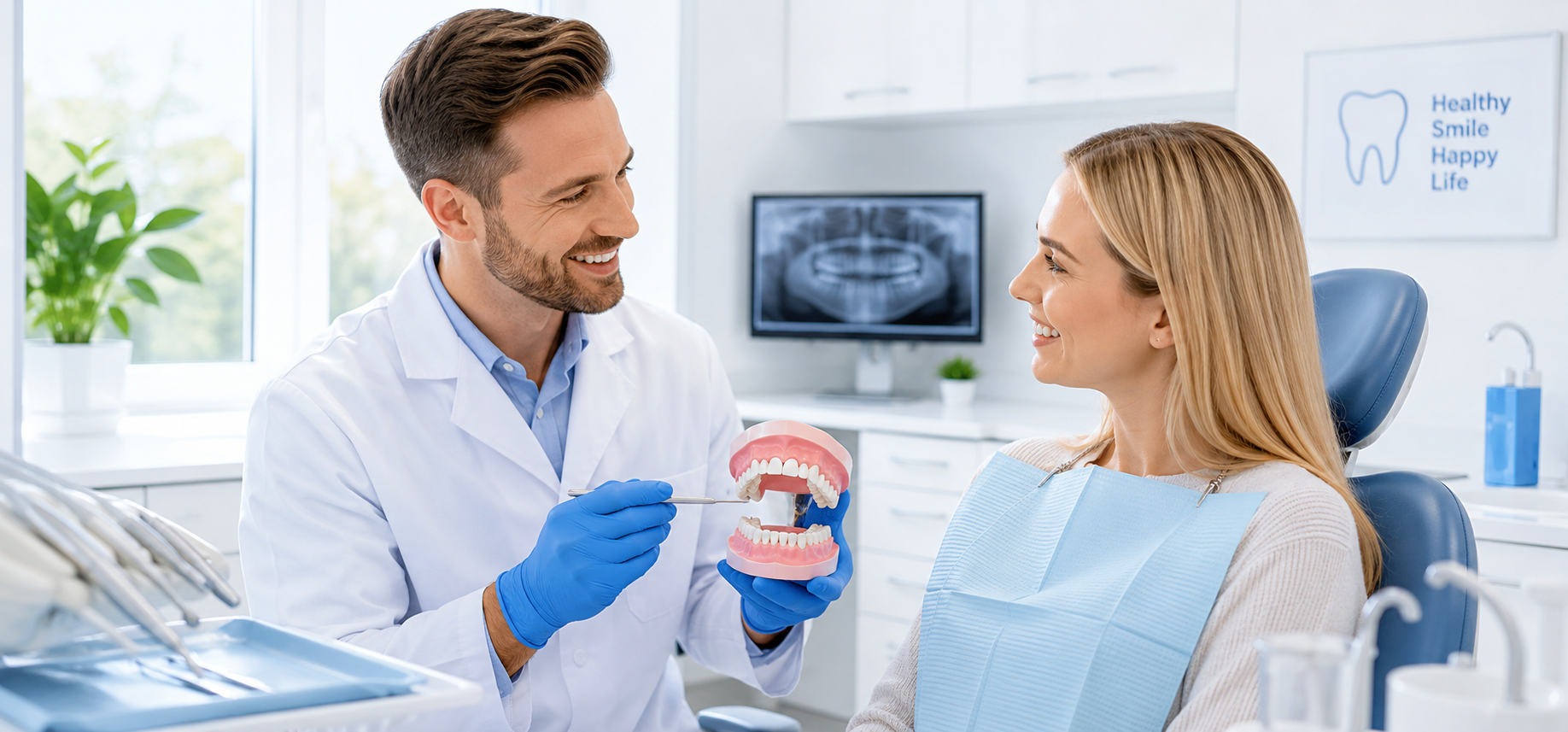
You’re likely wondering whether affordable veneers in Brooklyn can give you a natural, long-lasting smile without breaking the bank. Affordable veneers can deliver a durable, realistic improvement to your teeth when you choose an experienced Brooklyn dentist who balances quality materials with transparent pricing.
They’ll explain the difference between porcelain and composite options, what to expect during the process, and how modern techniques minimize discomfort. Expect practical tips on cost-saving options, financing, and how to pick a local practice that prioritizes comfort and predictable results.
Dental veneers correct chips, gaps, stains, or uneven teeth with thin shells bonded to the front of teeth. They improve color, shape, and alignment without major orthodontics, and patients usually see dramatic cosmetic results in a few visits.
Veneers are slim shells made to cover the visible surface of teeth. They attach with dental cement after minimal enamel preparation so the veneer sits flush and looks natural.
Porcelain and composite are the two main materials. Porcelain resists stains and mimics tooth translucency; composite can be done same-day and costs less but stains faster.
Procedure steps include consultation, tooth preparation, impressions or digital scans, fabrication, and final cementation. Temporary veneers may be used during lab fabrication. Patients often need local anesthesia only for enamel shaping.
Maintenance requires normal oral hygiene plus avoiding very hard bites and using a night guard if the patient grinds teeth. Regular dental checkups keep veneers and surrounding gums healthy.
Porcelain veneers come in feldspathic, lithium disilicate (e.max), and layered ceramic types. Feldspathic offers excellent esthetics; lithium disilicate combines strength and translucency for front and back teeth.
Composite veneers are resin applied directly to teeth or crafted in a lab. Direct composite is cheaper and reversible; indirect composite is stronger but still less durable than porcelain.
Laminates and minimal-prep (no-prep) veneers preserve more enamel and suit patients with minor spacing or size issues. Implant- or crown-supported restorations may be preferable when teeth have large fillings, root canal treatments, or structural weakness.
Cost, desired longevity, tooth condition, and esthetic goals determine the best material. A dentist evaluates bite, enamel thickness, and smile line to recommend the optimal veneer type.
Ideal candidates have healthy gums, adequate enamel, and cosmetic concerns like discoloration, small chips, or mild misalignment. Patients with active decay, severe gum disease, or bruxism require treatment before veneers.
Those seeking conservative cosmetic change rather than major bite correction benefit most. Veneers suit adults whose teeth have finished erupting and who understand veneers are a long-term commitment with possible replacement.
A comprehensive exam includes X-rays, periodontal assessment, and bite analysis. The dentist discusses alternatives—whitening, bonding, orthodontics, crowns—so patients choose veneers only when they align with health and aesthetic goals.
Prospective patients should ask about lifespan, warranty, and follow-up care during consultation to set realistic expectations and plan maintenance.
A budget-friendly veneer plan can brighten teeth, fix visible flaws, and reduce future maintenance without sacrificing quality. Patients often gain confidence, improved function, and a natural-looking result that fits their lifestyle and budget.
Affordable veneers can reliably cover stains that professional whitening cannot remove, such as tetracycline or deep intrinsic discoloration. By selecting thin, stain-resistant porcelain or high-quality composite, patients get a consistent color across visible teeth that resists coffee, tea, and smoking stains.
Dentists match shade to surrounding teeth and facial tone, so the result looks natural rather than “too white.” Many patients report feeling more comfortable smiling in work and social settings after treatment. A brighter, even smile also simplifies makeup and grooming choices, which can matter for people in client-facing roles.
Veneers address chips, small gaps, minor overlaps, and worn edges without extensive orthodontics. For example, closing a 1–2 mm gap or evening small chips on the front four teeth usually requires only two visits—preparation and placement—when using veneers.
Clinicians can shape veneers to improve symmetry and proportion, aligning tooth width and length to the patient’s smile line. This targeted approach avoids replacing healthy tooth structure unnecessarily and often preserves more enamel than full crowns. Patients appreciate the visible change with minimal procedural complexity.
Porcelain veneers commonly last 10–15 years with proper care; composite veneers typically last 5–8 years and can be repaired chairside. Both options require routine hygiene: twice-daily brushing, daily flossing, and dental cleanings every 3–6 months depending on gum health.
Avoiding hard objects, using a nightguard for bruxism, and limiting abrasive toothpaste extend veneer life. Many practices offer payment plans and limited-warranty programs that make replacements or repairs predictable and affordable. Regular check-ups let the dentist detect wear early and recommend conservative repairs rather than full replacements.
Costs vary by material, dentist experience, and whether preparatory work like root canals or gum treatment is needed. Patients should expect clear estimates, financing choices, and strategies to use insurance when possible.
Location is a major factor: clinics in downtown Brooklyn or near Manhattan typically charge more than those in outer neighborhoods due to higher overhead. Lab-made porcelain veneers cost more than composite resin; porcelain often ranges higher because of custom lab work and durability.
Provider skill and credentials affect price. A prosthodontist or cosmetic dentist with extensive veneer experience will usually charge a premium compared with a general dentist. Number of visits and additional procedures—X-rays, tooth preparation, temporary veneers, or gum contouring—add to the total.
Material specifics matter: porcelain (longer-lasting, stain-resistant) versus composite (cheaper, quicker). Warranties, follow-up adjustments, and included sedation options change the package price. Ask for a written breakdown: lab fee, tooth prep, temporary, final bonding, and follow-ups.
Many Brooklyn practices offer in-office payment plans that split the balance into 3–12 monthly payments with no interest or low fees for short terms. Third-party financers like CareCredit or LendingClub provide 6–24 month plans; promotional 0% APR is common but requires on-time payments.
Patients should compare total cost, not just monthly payments. Check for origination fees, deferred-interest traps, and prepayment penalties. Request an itemized estimate showing the financed amount, interest rate, and monthly payment examples.
Some dentists accept credit cards, but that may trigger high interest unless paid quickly. Ask if a down payment reduces finance charges. Verify whether financing covers both dentist and lab fees, and whether payments begin at first visit or after treatment completion.
Most dental insurance considers veneers cosmetic and offers limited or no coverage. However, if veneers are medically necessary—repairing teeth after trauma or severe wear—some plans may cover part of the restorative work. Patients should request a pre-treatment estimate (predetermination) from the office to submit to their insurer.
Document medical necessity with photos, clinical notes, and X-rays when applicable. Coordinate benefits: some plans permit partial coverage for related procedures (e.g., crowns, root canals) that become necessary before veneers. Ask the office to code procedures clearly and to submit claims electronically to speed reimbursement.
If insurance pays little, combine strategies: use flexible spending accounts (FSA) or health savings accounts (HSA) for pre-tax savings, apply manufacturer or office promotions, and negotiate bundled pricing for full-arch or multi-tooth cases. Contact the insurer directly to confirm limits, waiting periods, and annual maximums before committing.
Finding an affordable veneer provider in Brooklyn means prioritizing proven experience, transparent pricing, and patient comfort. Focus on measurable credentials, clear before-and-after results, and payment options that match your budget and schedule.
A trusted dentist will list cosmetic dentistry credentials on their website, such as membership in the American Academy of Cosmetic Dentistry (AACD) or completion of advanced veneer training programs. Look for at least 3–5 years of documented cosmetic work and a portfolio of high-quality before-and-after photos that match the shade, translucency, and tooth shape you want.
In-office technology matters. Clinics that use digital smile design, intraoral scanners, and same-day milling (CAD/CAM) generally deliver more predictable veneer fits and fewer adjustment visits. Sterilization protocols, clear consent forms, and written treatment plans show professionalism and reduce surprises.
Patient reviews and referrals from local dentists provide practical insight. Pay attention to comments about pain management, appointment punctuality, and follow-up care. Transparent pricing, published fee ranges, and clear financing or membership plans indicate affordability without hidden costs.
Ask how many veneer cases the dentist performs monthly and request to see recent photos of patients with similar tooth color and alignment. Specific case numbers reveal experience; comparable photos show aesthetic consistency.
Clarify materials and lifespan: ask whether they recommend porcelain, lithium disilicate (e.g., e.max), or composite, and what realistic longevity they expect with routine care. Inquire about the lab—local certified ceramist versus outsourced labs—and whether the dentist personally approves each restoration.
Discuss the full cost breakdown: initial consultation, preparatory work (e.g., whitening, gum reshaping), veneers per tooth, lab fees, and warranty or repair policies. Ask about financing options, sliding-scale fees, or in-office membership plans.
Confirm the clinical workflow: will they use digital scans, try-in temporaries, and a mock-up for approval? Ask about anesthesia options, expected number of visits, and a clear aftercare plan including habit counseling (e.g., night guards) to protect veneers.
Modern veneer placement focuses on preserving natural tooth structure, minimizing discomfort, and reducing visits through digital imaging and conservative preparation. Patients benefit from precise shade matching, temporary restorations, and local anesthesia techniques that keep procedures predictable and comfortable.
Clinicians use conservative preparation methods that remove very little enamel — often 0.3–0.7 mm — preserving strength and reducing sensitivity. When possible, “no-prep” or ultra-thin porcelain veneers are selected; these bond directly to enamel with minimal alteration to the tooth surface.
Digital intraoral scanners replace messy impressions, producing accurate 3D models that guide the lab and reduce chair time. CAD/CAM milling can deliver same-day veneers in some clinics, avoiding a temporary restoration. Adhesive systems and modern bonding protocols create durable, low-sensitivity bonds that often eliminate the need for root canal treatment.
Local anesthetic is used selectively; many patients report little to no postoperative discomfort. For anxious patients, nitrous oxide or oral sedation provides additional relaxation without significantly extending recovery. The overall focus remains on tooth preservation, predictable esthetics, and faster recovery.
Initial consultation includes a full exam, digital photographs, shade selection, and a scan of the teeth. The dentist discusses goals, reviews X-rays if needed, and outlines material options (feldspathic porcelain, lithium disilicate, or composite) with pros and cons for durability and cost.
Preparation appointment typically lasts 60–90 minutes. The clinician uses topical and local anesthetic as needed, performs minimal enamel reduction with precision burs, and takes a final digital scan. A provisional veneer may be placed when significant contour change is required.
Final placement appointment takes 45–75 minutes. The dentist tries-in the veneers for fit and color, makes minor adjustments, then bonds each veneer using an adhesive protocol and light curing. Post-op instructions cover care, sensitivity expectations for 48–72 hours, and scheduling a follow-up to check bite and polish margins.
Veneers need routine attention and a few behavior changes to stay natural-looking and durable. Proper brushing, flossing, professional checkups, and avoiding damaging habits protect both the veneers and the underlying teeth.
Brush twice daily with a soft-bristled toothbrush and non-abrasive fluoride toothpaste to prevent surface wear. Use gentle circular strokes along the gumline and veneer margins for 2 minutes to remove plaque without scratching the porcelain or composite.
Floss once daily, sliding the floss up and down under the gumline and along each side of the veneer. Interdental brushes or a water flosser help in tight contacts; choose silicone-tipped devices to avoid chipping.
Rinse with a neutral, alcohol-free mouthwash if desired, especially after acidic meals. Schedule professional cleanings and exams every 6 months so the dentist can check margins, polish stains, and monitor bite alignment that affects veneer stress.
Do not use veneers as tools: avoid opening packages, biting nails, or cutting thread with teeth. These actions apply focused force that can crack or dislodge veneers.
Avoid hard, sticky foods like hard candy, unpopped popcorn kernels, and ice chewing. If you grind or clench, wear a custom nightguard to distribute forces and prevent microfractures.
Limit acidic and highly pigmented foods — citrus, red wine, coffee, and tobacco — to reduce surface staining and marginal breakdown. If exposure is unavoidable, rinse with water after eating or drinking and wait 30 minutes before brushing to protect the glaze.
If any veneer feels loose, rough, or painful, contact the dental office promptly. Timely repairs or rebonding prevent decay under the veneer and keep the smile looking its best.
Neighbors describe accessible care, predictable pricing, and visible results after veneers. Many highlight clear communication, comfortable visits, and durable cosmetic improvements that fit busy Brooklyn lives.
A 34-year-old teacher from Park Slope chose affordable porcelain veneers to repair chipped front teeth after a bike fall. She reported a single-day consult, digital mockup, and two appointments over three weeks — consult, minimal prep, and final bonding. The dentist explained shade selection and maintenance; she received a six-month follow-up and a nighttime retainer.
A small-business owner in Williamsburg replaced discolored, uneven teeth with six ultra-thin veneers. He noted local financing and an itemized treatment plan that matched his budget. Staff showed before/after photos and discussed realistic longevity — about 10–15 years with proper care.
Key takeaways patients mention: clear cost estimates, conservative tooth preparation, and a predictable timeline. Many valued friendly staff who explained warranty, cleaning routines, and when to schedule touch-ups.
Before: a 46-year-old nurse had worn, stained edges and felt self-conscious during patient interactions. After: six veneers restored tooth length and corrected a minor midline shift. Photographs taken at the clinic show improved tooth proportion and natural translucency under clinic lighting. The patient reported easier cleaning and regained confidence speaking during rounds.
Before: a 28-year-old actor dealt with gapped upper incisors that affected casting calls. After: two veneers closed gaps and matched neighboring enamel using shade A2 with slight translucency for realism. The actor described rapid improvement in photos and auditions, plus a short break from rehearsals for bonding.
Practical notes included in charts: exact veneer material, shade code, number of appointments, and recommended home care. Patients appreciated seeing the documented timeline and maintenance checklist before committing to treatment.
A consultation gives a clear starting point. They review medical history, take X‑rays or photos, and discuss goals so the patient and dentist align expectations.
Cost concerns come up often. Many practices offer financing plans, in‑office payment options, or referrals to low‑interest lenders to make veneers more affordable.
Patients should expect a gentle exam and an honest conversation. The dentist will explain material choices (porcelain vs. composite), lifespan, and maintenance in simple terms so patients can make informed decisions.
Preparation usually involves minimal tooth reshaping and digital or physical impressions. Temporary restorations may be placed while labs craft the final veneers, keeping appearance and comfort consistent.
A checklist helps people prepare for the visit:
Post-visit communication matters. The practice typically provides a written treatment plan with costs and appointments, and staff answer follow‑up questions to reduce anxiety.
They encourage scheduling a consultation to review options and financing, and to see whether veneers suit the patient’s needs and lifestyle.
This section answers common cost, material, process, financing, and provider-choice questions about getting affordable veneers in Brooklyn. It gives specific price ranges, differences between materials, what to expect during treatment, and how to evaluate dentists and payment options.
Veneers in Brooklyn typically range from about $800 to $2,500 per tooth. Lower-cost options cluster near $800–$1,200 for composite or economy porcelain; higher-end porcelain often runs $1,500–$2,500 per tooth.
Several factors change price: material choice (composite vs porcelain), laboratory quality, dentist experience, and whether prep includes enamel removal or gum contouring. Additional procedures — like crowns, root canals, or orthodontics before veneers — raise the total cost.
Two front teeth commonly cost between $1,600 and $5,000 total, depending on material and clinic. More extensive smile makeovers — 8 to 12 teeth — often total $12,000 to $30,000 or more.
Clinics sometimes offer package pricing for full-arch or multi-tooth cases, which can reduce per-tooth cost. Patients should compare per-tooth estimates and included services (temporaries, lab fees, follow-ups) when evaluating quotes.
Composite veneers cost about $250–$1,000 per tooth and use resin bonded directly to the tooth; porcelain veneers cost about $800–$2,500 per tooth and are lab-made shells. Porcelain resists stains better and mimics natural tooth translucency, so it usually looks more like natural enamel.
Durability differs: composite lasts roughly 5–7 years with good care, porcelain lasts 10–15 years or longer. Porcelain requires more lab work and skilled placement, which raises cost; composite can often be completed in one visit at lower expense.
Many Brooklyn dental offices offer third-party financing through companies like CareCredit or LendingClub, with terms from 6 to 60 months. Practices sometimes provide in-house payment plans, splitting the total into equal monthly payments without interest for a short period.
Insurance rarely covers elective veneers, but flexible spending accounts (FSA) or health savings accounts (HSA) can be used. Patients should ask clinics for a written estimate, available financing terms, and any promotional discounts.
Choose a dentist with clear cosmetic dentistry experience, published patient photos, and verifiable patient reviews on multiple platforms. Confirm credentials like DDS/DMD, additional cosmetic training, and membership in professional groups (e.g., AACD) when applicable.
Examine before-and-after photos for consistent lighting, clear labeling of which tooth was treated, and examples that match the look the patient wants. Read recent reviews for comments about communication, comfort, and long-term results rather than only initial appearance.
The process starts with a consultation, digital photos, X-rays, and a treatment plan that outlines teeth to be veneered, materials, and costs. Preparatory visits may include shade selection, minor tooth reshaping, or impressions; temporaries are often placed while porcelain is fabricated.
Placement involves bonding veneers with adhesive and final adjustments to fit bite and aesthetics; local anesthesia is commonly used for comfort. Post-placement sensitivity can occur for a few days; follow-up visits ensure fit and polish, and the dentist reviews care instructions for long-lasting results.