
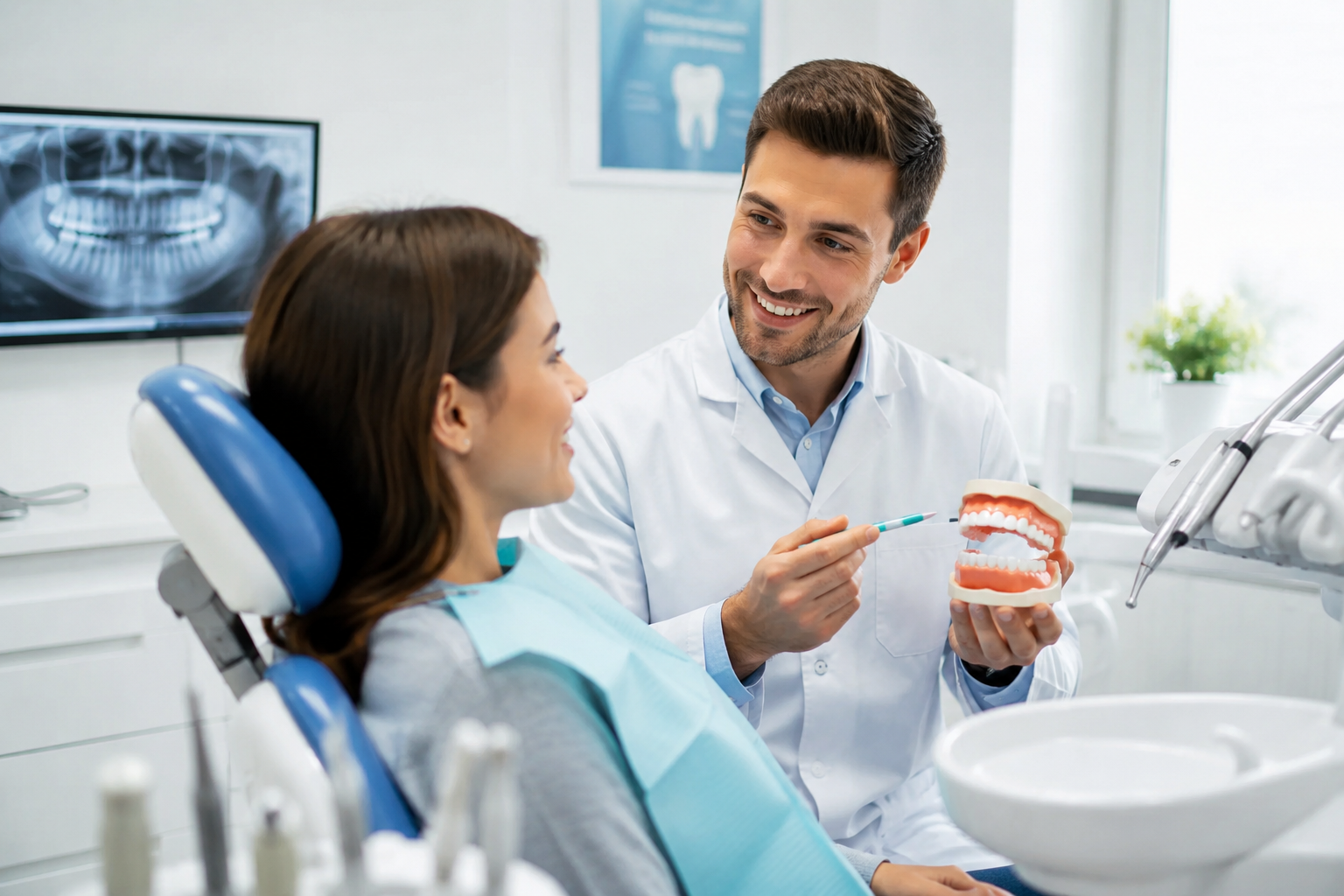
You’ll find cosmetic dentists in Brooklyn who combine modern techniques with a neighborhood-friendly approach to make improving your smile straightforward and comfortable. If you want a brighter, more confident smile, a reputable cosmetic dentist in Brooklyn can offer tailored options—veneers, whitening, bonding, or implants—matched to your goals and budget.
They focus on patient comfort, clear explanations, and predictable results, so you understand each step from consultation to aftercare. This article walks through what sets Brooklyn cosmetic dentistry apart, which treatments are most popular, how to choose the right practitioner, and practical tips for financing and maintenance.
Brooklyn practices combine patient-centered care, individualized treatment plans, and modern equipment to produce predictable, natural-looking results. They emphasize comfort, clear communication, and minimally invasive options that fit busy urban lifestyles.
Brooklyn cosmetic dentists prioritize reducing anxiety and physical discomfort during every visit. Many offices offer comfort amenities such as noise-cancelling headphones, blankets, and adjustable chairs, plus private consult rooms so patients discuss concerns discreetly.
Clinicians commonly use topical anesthetics, slow-administered local anesthesia, and digital injection techniques to minimize pain from injections. For more nervous patients, practices often provide oral sedatives or nitrous oxide; some clinics have licensed sedation protocols supervised by trained staff.
Staff training focuses on gentle handling and clear, compassionate explanations. Receptionists and hygienists coordinate scheduling to avoid long waits, and same-day repairs for broken veneers or crowns are commonly available to reduce stress and disruption.
Brooklyn clinics create treatment plans based on the patient’s facial features, lifestyle, and budget rather than a one-size-fits-all “smile.” They use detailed intraoral scans, clinical photography, and smile-design software to visualize outcomes before treatment begins.
Dentists review alternative options—teeth whitening, composite bonding, porcelain veneers, orthodontics, and implant restorations—explaining expected longevity, maintenance, and costs for each. Payment plans and phased treatment schedules help patients spread care over time.
Care teams include cosmetic dentists, hygienists, dental technicians, and sometimes an oral surgeon or prosthodontist, ensuring multidisciplinary input when needed. Follow-up protocols and customized home-care instructions aim to preserve results and prevent future problems.
Brooklyn cosmetic practices invest in technologies that improve accuracy, speed, and patient experience. Common tools include intraoral scanners (no messy impressions), digital smile-design software, and chairside CAD/CAM mills for same-day crowns and veneers.
High-resolution CBCT imaging guides implant placement with 3D accuracy, reducing surgical time and improving outcomes. Low-dose lasers assist with soft-tissue reshaping and desensitizing treatments while minimizing bleeding and recovery time.
Digital shade-matching systems and lab partnerships with skilled ceramists produce more lifelike restorations. Many clinics use practice management and patient-communication platforms to streamline scheduling, treatment approvals, and post-op instructions for a smoother experience.
This section covers predictable ways to brighten, reshape, and align teeth with modern, comfortable techniques. Patients can expect options that vary by speed, longevity, and cost.
In-office whitening uses high-concentration peroxide gels activated by light or heat to lift deep discoloration in one 60–90 minute visit. It produces the fastest, most noticeable change — typically 6–10 shades — and is supervised by a dentist to minimize sensitivity and protect gums.
At-home dentist-prescribed kits combine custom trays with lower-concentration gel for gradual whitening over 1–2 weeks. Over-the-counter strips and gels are less expensive but deliver milder results and can cause uneven shading on restorations.
Dentists evaluate staining cause first: tobacco, coffee, aging, or medication. They recommend pre-treatment cleaning and may suggest touch-up trays or maintenance whitening every 6–12 months to preserve results.
Porcelain veneers are thin ceramic shells bonded to the front of teeth to correct chips, gaps, severe staining, or mildly crooked teeth. Preparation typically requires 0.3–0.7 mm enamel removal, local anesthesia, two visits, and a temporary while the lab fabricates the veneers.
Veneers offer long-lasting color stability and a natural translucency that mimics enamel. They resist staining better than composite bonding but are irreversible because of enamel removal. Patients should expect a lifespan of 10–15 years with proper care.
Dentists assess bite, tooth alignment, and existing restorations before recommending veneers. They also discuss maintenance: gentle brushing, fluoride toothpaste, nightguard if bruxism is present, and regular check-ups to extend longevity.
Clear aligners use a series of custom, removable trays to move teeth incrementally; patients change trays every 1–2 weeks. Treatment time commonly ranges from 6 to 18 months depending on complexity, with follow-up visits every 6–10 weeks to monitor progress.
Aligners suit mild to moderate crowding, spacing, and some bite issues. They offer aesthetic and hygiene advantages over braces because patients can remove them to eat and brush, but compliance of 20–22 hours per day is essential for predicted results.
Dentists perform digital scans and treatment planning with software that shows projected tooth movement. They may combine aligners with attachments, interproximal reduction, or elastics for more complex corrections.
A smile makeover blends treatments — whitening, veneers, crowns, aligners, and bonding — tailored to the patient’s goals, facial proportions, and budget. The dentist creates a treatment plan and often a digital mock-up or temporary prototype so the patient can preview changes.
Planning addresses bite function, gum health, and tooth structure to avoid short-term cosmetic fixes that compromise long-term oral health. Sequencing matters: for example, whitening precedes color-matching restorations, and alignment may come before veneers.
Cost, timeline, and maintenance vary by the combination chosen. Dentists discuss financing, minimally invasive options, and conservative alternatives to achieve a predictable, comfortable outcome.
Find a dentist who combines proven skills, modern technology, and clear communication. Prioritize licensed specialists, verified patient experiences, and a consultation that answers practical questions about cost, timeline, and expected results.
Check licensure first: confirm the dentist’s New York State license number on the state education department website. Look for additional credentials such as ADA membership, fellowship or accreditation from the American Academy of Cosmetic Dentistry (AACD), or completion certificates from recognized implant, veneer, or Invisalign training programs.
Assess clinical experience by asking how many times they’ve performed the specific procedure you want—veneers, crowns, bonding, or implants—and request before-and-after photos of real patients. Note whether the practice uses in-house digital imaging (CBCT, intraoral scanners) and CAD/CAM milling; those tools improve treatment planning and prosthetic fit. Also confirm infection-control protocols and whether restorative work collaborates with experienced dental labs. These concrete markers indicate consistent, high-quality care rather than marketing claims.
Prioritize recent reviews on multiple platforms: Google, Yelp, Healthgrades, and the practice’s own testimonials. Look for comments about treatment outcomes, pain management, appointment punctuality, and how the office handled follow-up care or complications.
Weigh patterns over single comments. Repeated praise for a caring chairside manner and predictable results matters more than one glowing line. Also watch for how the practice responds to negative reviews: a prompt, professional reply that offers to resolve issues signals accountability. If possible, ask for references or speak to former patients about long-term satisfaction and any maintenance they needed after cosmetic work.
During the initial consultation, the dentist should explain options using visual aids: digital smile design mockups, X-rays, or models. They must provide a clear treatment plan with step-by-step phases, estimated timelines, materials to be used, and a written cost breakdown including lab fees and any financing options.
Evaluate how the dentist discusses risks and alternatives—listen for straightforward answers about potential sensitivity, durability, and maintenance. Confirm who performs each step (the treating dentist versus an associate) and whether sedation or local anesthesia options are available. Good communication also includes a transparent warranty or follow-up policy and a clear channel for post-treatment concerns.
Cosmetic dentistry improves how teeth look, how they function, and how people feel about their smiles. It addresses stains, chips, gaps, misalignment, and worn teeth with treatments tailored to each mouth.
Cosmetic treatments such as veneers, teeth whitening, and clear aligners address visible concerns quickly and predictably. A patient who felt hesitant to smile because of discolored front teeth can get professional whitening or porcelain veneers and often notice a dramatic visual improvement after one or two visits.
Improved appearance influences social and professional interactions. Patients report feeling more willing to speak, smile in photos, and attend events after corrective work on chipped or gapped teeth. The psychological benefit often motivates better oral care habits, creating a positive feedback loop.
Dentists design plans that match facial proportions and natural tooth color. This personalized approach prevents an overdone look and gives results that align with the patient’s age and features, which helps sustain confidence without appearing unnatural.
Many cosmetic procedures have functional benefits beyond aesthetics. Straightening teeth with clear aligners reduces overlapping surfaces where plaque accumulates, making flossing and brushing more effective and lowering the risk of cavities and gum disease.
Restorations like crowns and bonded fillings repair weak or fractured teeth and restore bite forces to prevent further wear or jaw strain. Replacing missing teeth with implants or bridges preserves adjacent tooth structure and prevents neighboring teeth from shifting.
Dentists combine cosmetic work with preventive care: professional cleanings, fluoride treatments, and oral hygiene instruction before and after procedures. This integrated approach protects long-term results and helps maintain both appearance and oral health.
Modern materials—lithium disilicate ceramics, layered porcelains, and shade-matched composite resins—mimic enamel translucency and surface texture. A patient selecting veneers receives mock-ups and shade previews so the final restoration harmonizes with the remaining teeth.
Digital imaging and shade-matching systems let dentists plan restorations precisely. Photographs, 3D scans, and wax-ups show the expected outcome, and laboratories follow specific color and morphology instructions to reproduce natural nuances.
Conservative techniques preserve healthy tooth structure whenever possible. Bonding and minimal-prep veneers correct defects without extensive removal, so results appear natural and feel comfortable during speech and chewing.
This practice offers several ways to manage costs so patients can get cosmetic work without unexpected bills. Clear pricing, financing choices, and insurance guidance reduce stress and help families plan treatments like veneers, crowns, or whitening.
The office partners with third-party lenders that provide 6–60 month plans with fixed interest rates for procedures over $500. Patients complete a soft-credit prequalification online in minutes to see rate options without affecting credit scores.
For larger cases such as full-mouth restorations, the practice often bundles treatment phases and offers promotional 0% APR periods or low-payment plans based on credit approval. Staff walk patients through monthly payment amounts, total interest, and payoff timelines during the consult.
A written payment agreement lists the down payment, monthly amount, and procedure schedule. Patients can choose automatic bank draft or card payments, and the office typically allows early payoff without penalty.
Cosmetic procedures are frequently elective and not fully covered, but portions of care may qualify under dental insurance. For example, a crown placed mainly for function may be billed as restorative and receive partial reimbursement, while purely esthetic veneers often fall outside coverage.
The office verifies benefits before treatment and submits claims directly to insurers. A benefits coordinator explains annual maximums, deductibles, and patient responsibility in dollars, not percentages.
They also advise on flex spending accounts (FSA) and health savings accounts (HSA) use, and provide pre-treatment estimates to help patients plan around insurance limits and remaining yearly benefits.
Patients often report improved confidence and career or social advantages after cosmetic treatments, but the practice emphasizes measurable oral-health benefits too. Restoring worn or broken teeth can prevent further damage, reduce sensitivity, and improve bite function—outcomes that lower long-term repair costs.
Clinicians discuss longevity and maintenance for each option: porcelain veneers typically last 10–15 years with good care; crowns can last 10–20 years; whitening requires touch-ups. This helps patients compare upfront cost versus expected lifespan.
The office offers staged treatment planning so patients can spread procedures over months or years, aligning clinical priorities with budgets. Staff encourage an initial consultation to receive a tailored estimate and financing plan.
Patients can anticipate a focused, step-by-step visit that identifies current smile issues, discusses aesthetic goals, and outlines practical treatment options with estimated timelines and costs.
The dentist conducts a visual and photographic exam of teeth, gums, bite, and facial proportions. Digital photographs and intraoral scans capture tooth shape, color, alignment, and gingival levels for accurate records.
A clinical exam checks for decay, gum disease, occlusion problems, and existing restorations that could affect cosmetic work. X-rays or CBCT imaging may be ordered to evaluate root health and bone support when implants or orthodontic planning are possible.
The team measures tooth-to-lip relationships during smiling and speech to determine size and position adjustments. If sensitivity or pain exists, the dentist prioritizes addressing health issues before elective cosmetic procedures.
The dentist asks about color preferences, desired tooth length, and lifestyle factors like smoking or coffee that affect results. They review realistic outcomes using digital smile design mockups or temporary veneers so the patient can visualize changes.
Options are presented with pros, cons, and timelines: whitening (single visit or take-home trays), composite bonding (1–2 visits), porcelain veneers (2–3 visits), orthodontics (clear aligners or braces, months to years), and implants (several months including healing). Costs and maintenance needs appear in writing.
A treatment plan prioritizes health, function, and aesthetics, sequencing treatments (gum therapy, restorations, then whitening or veneers) to protect long-term results. The dentist outlines follow-up visits, expected discomfort, and at-home care, and invites questions before scheduling the first procedure.
Maintain teeth and restorations with daily care and regular professional checkups. Focus on gentle cleaning, protecting restorations from damage, and scheduling follow-up visits to preserve results and oral health.
He or she should brush twice daily with a soft-bristled toothbrush and fluoride toothpaste, using gentle circular motions for two minutes. Pay special attention to the gum line and the margins of crowns or veneers to prevent plaque buildup and staining.
Floss once daily, sliding the floss up and down against each tooth and beneath the contact point. For bridges or fixed partials, use superfloss or a floss threader to clean under and around the prosthetic properly.
Use an alcohol-free antiseptic mouthwash if recommended, especially after periodontal treatment or whitening, to reduce bacteria without irritating sensitive tissues. For brightening results, avoid dark staining foods and beverages for 48–72 hours after whitening and use a straw for coffee or tea when possible.
If night clenching occurs, the dentist may prescribe a custom nightguard; wearing it nightly protects veneers, crowns, and natural enamel. Replace toothbrushes every three months or sooner if bristles fray, and consider an electric toothbrush for more consistent cleaning.
They should schedule a professional cleaning and exam every six months, or more frequently if the dentist recommends based on gum disease, restorations, or medical conditions. Hygienists remove tartar that cannot be removed at home and inspect margins of restorations for decay or failure.
During visits, the dentist evaluates bite alignment, checks for chips or loose veneers, and performs bitewing or periapical X-rays as needed to catch problems early. Discuss any tooth sensitivity, color changes, or discomfort immediately so minor issues don’t become major repairs.
Keep a record of all restorative work, including materials and dates, to guide future care and warranty claims. If a restoration chips or feels different, call the dental office promptly to schedule a repair appointment and avoid further damage.
Patients find that local dental communities help them feel supported and informed. Neighborhood cosmetic dentists often host free consultations, open houses, and Q&A nights to explain treatments like veneers, whitening, and smile makeovers in plain language.
They can join community events to meet clinicians and staff before committing to treatment. That lowers anxiety and allows patients to compare approaches, technology, and comfort measures across practices.
Many practices maintain active online presences—blogs, social media, and patient review pages—that share before-and-after photos, procedure walk-throughs, and patient testimonials. These resources help people set realistic expectations and choose providers who prioritize comfort and outcomes.
Patients should look for practices offering clear financing options, sedation choices, and transparent treatment timelines. Asking about warranties on cosmetic work and seeing real patient results can prevent surprises later.
Quick checklist:
They are encouraged to reach out with questions or schedule a visit to discuss cosmetic goals and preventive care tailored to their lifestyle.
This section answers practical concerns about choosing a cosmetic dentist, treatment types, costs, comfort, and expected timelines for common procedures in Brooklyn, NY. It focuses on specifics like credentials, treatment examples, price ranges, recovery expectations, and when to seek general versus cosmetic care.
Look for a dentist with accredited credentials in cosmetic procedures, before-and-after photos, and patient reviews from Brooklyn residents. Verify training in veneers, bonding, Invisalign, and whitening, plus membership in professional organizations.
Schedule a consultation to discuss goals, view treatment simulations, and get a written estimate. Ask about financing, payment plans, and whether the office offers complimentary or low-cost second opinions.
General dentistry focuses on oral health: exams, cleanings, fillings, root canals, and gum disease treatment. Cosmetic dentistry focuses on appearance: veneers, teeth whitening, bonding, and tooth-colored restorations.
Patients often need general care first—treatment for decay or gum disease—before elective cosmetic work. Choose cosmetic services when the goal is improved color, shape, alignment, or smile symmetry.
Porcelain veneers in Brooklyn typically range from $1,000 to $2,500 per tooth. Final price depends on number of veneers, the lab used, material quality, and the dentist’s experience.
Pre-treatment needs—like gum therapy, root canals, or orthodontics—raise costs. Ask for an itemized estimate and a timeline before committing.
Options include composite bonding (1–7 years), porcelain veneers (10–15 years), whitening (6 months to 3 years with care), and crowns (10–15 years). Invisalign or clear aligners correct alignment issues long-term; results depend on retention.
Durability depends on habits: avoid hard foods, limit staining agents, and wear a nightguard if grinding. Regular dental checkups and cleanings extend results.
Most cosmetic procedures use local anesthesia and cause little to no pain during treatment. Patients may feel sensitivity or mild soreness afterward for a few days.
Offered comfort measures include nitrous oxide, oral sedatives, and guided relaxation. Discuss medical history, anxiety levels, and sedation options during the consultation.
In-office whitening shows visible change after one visit, often within an hour. Composite bonding and same-day veneers can deliver immediate improvements in one appointment.
Porcelain veneers typically take 2–4 weeks from preparation to final placement. Invisalign treatment timelines vary by case—commonly 6–18 months for moderate alignment changes.