
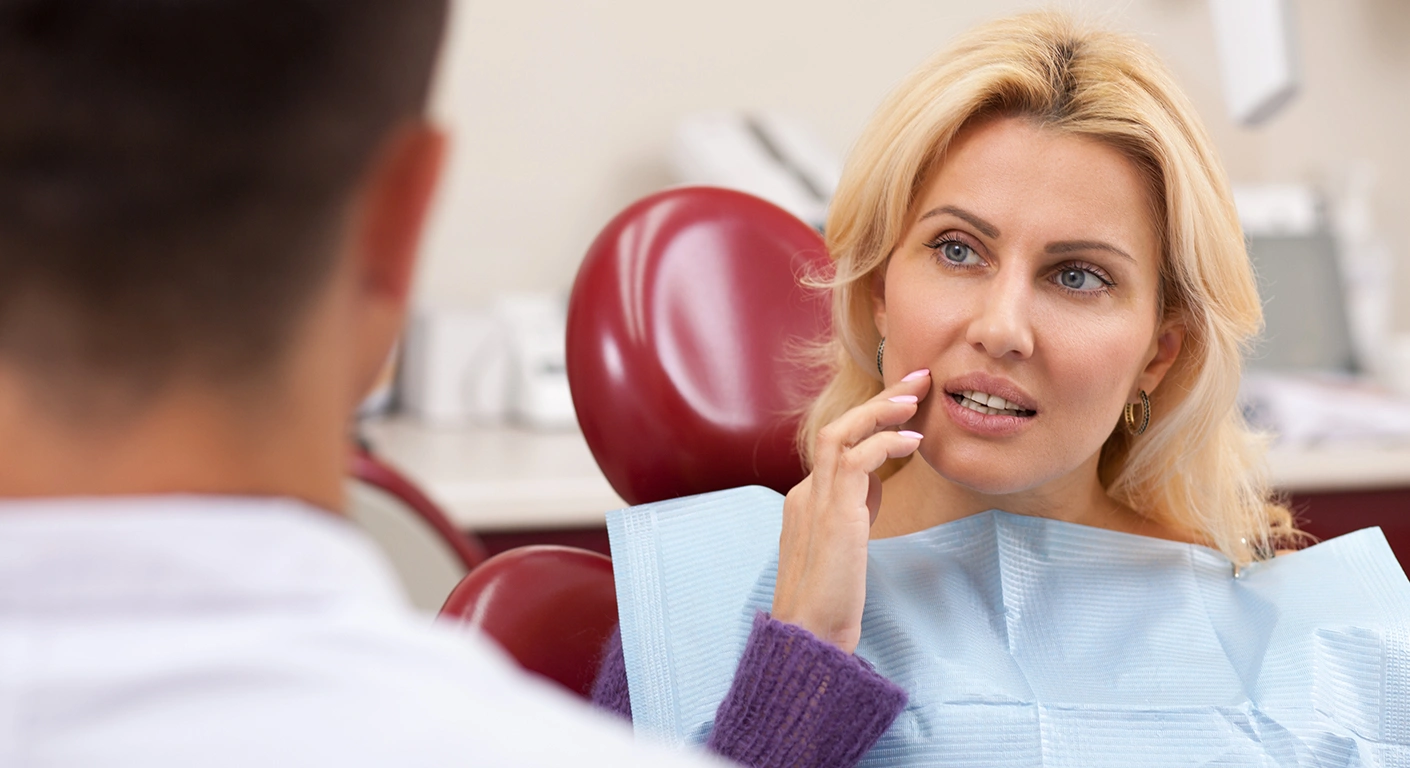
When a dental emergency strikes in Brooklyn, knowing where to turn can make all the difference. Emergency dental care in Brooklyn is designed to provide fast, effective treatment for urgent issues like severe pain, knocked-out teeth, or infections. These services focus on relieving discomfort quickly while preventing further damage.
Many local dental offices offer same-day appointments and after-hours care to fit busy schedules and unexpected needs. This approach ensures patients don’t have to wait long for relief and expert attention.
Whether it’s a sudden injury or worsening toothache, accessing the right care promptly helps protect both oral health and overall well-being. Brooklyn residents can feel confident knowing expert help is available when they need it most.
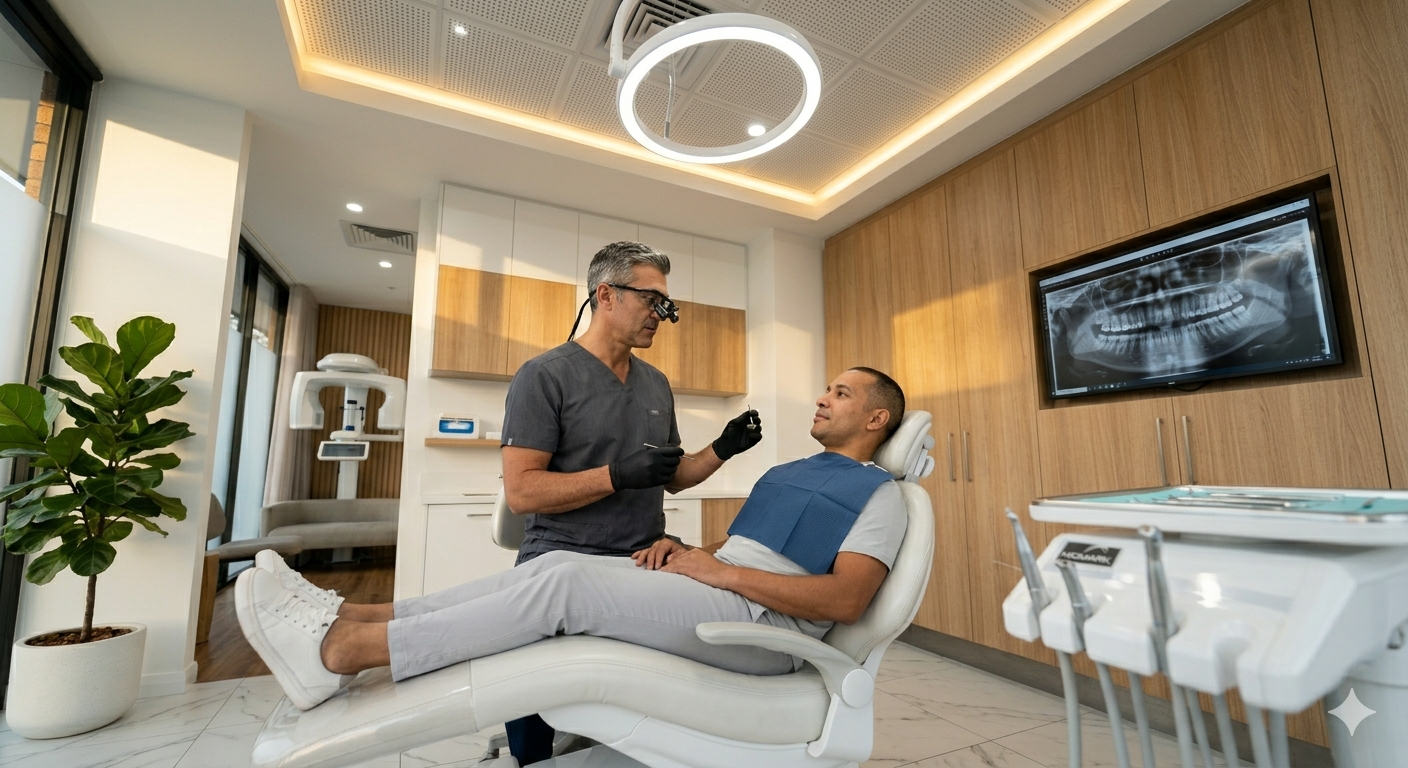
Dental emergencies come in many forms, from sudden injuries to escalating pain. Knowing how to spot the most serious issues and when to act quickly can save teeth and reduce discomfort.
Severe tooth pain that won’t ease, especially if it wakes someone up at night, is a clear signal. Swelling inside the mouth or face, bleeding that doesn’t stop after 10-15 minutes, and a knocked-out tooth are also urgent signs.
Other symptoms include a visible crack in a tooth, an exposed nerve (a red or pink pulp inside the tooth), or intense sensitivity to hot and cold. Fever combined with mouth pain might suggest an infection, which needs prompt attention.
Immediate care is crucial if a tooth is completely knocked out. The best action is to pick up the tooth by the crown, avoid touching the root, and place it in milk or saliva while heading to the dentist.
Heavy bleeding after an injury, severe swelling affecting breathing or swallowing, or sudden loss of a filling or crown with sharp edges also require emergency visits. Persistent, throbbing pain not relieved by over-the-counter painkillers needs quick professional evaluation.
Minor chips or loose crowns without pain can be temporarily managed with over-the-counter dental cement and pain relief. Rinsing the mouth gently with warm salt water helps reduce minor irritation or swelling.
For mild toothaches caused by food stuck between teeth, flossing and an antiseptic rinse can bring relief. Cold compresses on the outside of the face reduce swelling from minor injuries, but ongoing discomfort still calls for a dentist’s check.
Urgent dental problems can range from intense pain to visible damage, and each type requires prompt attention to prevent complications. Some issues need immediate care to save teeth or stop infections, while others focus on relieving discomfort and restoring normal function quickly.
Severe toothaches often signal an underlying problem like decay or infection. Patients may experience constant, throbbing pain that worsens at night or when biting down. Infections can cause swelling, fever, and sensitivity to hot or cold foods.
Ignoring these symptoms can lead to abscess formation, which might spread the infection beyond the mouth. Emergency dentists in Brooklyn typically treat these with antibiotics, pain relief, and sometimes root canal therapy to save the tooth and stop the infection.
Sudden trauma can cause teeth to crack, chip, or become completely dislodged. A chipped tooth may be sharp and uncomfortable, while a broken tooth can expose nerves, leading to pain and sensitivity.
If a tooth is knocked out, quick action increases the chance of saving it. Patients should keep the tooth moist, ideally in milk or saliva, and see a dentist immediately. Treatment options include bonding, crowns, or reimplantation depending on the injury severity.
Fillings and crowns protect teeth that are weakened or damaged. When these restorations fall out, the exposed area is vulnerable to decay, sensitivity, and pain. Lost fillings often result in a hole that traps food and bacteria.
A lost crown usually affects chewing ability and can cause discomfort. Emergency care typically involves re-cementing the crown or applying a temporary filling to protect the tooth until a permanent fix can be done.
Bleeding gums during an injury or spontaneously can indicate trauma or gum disease requiring immediate care. Cuts inside the mouth, bruises, or swelling need prompt evaluation to control bleeding and prevent infections.
Patients with bleeding that won’t stop or significant oral injuries should visit an emergency dentist. Treatment may include cleaning wounds, stitching, or medication to promote healing and manage pain.
Emergency dental care in Brooklyn focuses on quickly identifying the problem, managing pain, and providing immediate treatment options. The process is designed to prioritize your comfort and relieve symptoms while addressing the root issue.
When a patient arrives, the dentist begins with a detailed evaluation of the dental emergency. This includes reviewing the patient’s medical history and asking about symptoms like pain, swelling, or bleeding.
They perform a visual exam and often take X-rays to pinpoint the cause and extent of damage. This helps determine whether the issue is a broken tooth, infection, abscess, or another problem. The goal is to create a clear treatment plan quickly.
Pain control is a top priority during the initial visit. Dentists may use local anesthesia to numb the affected area immediately.
Over-the-counter painkillers or prescribed medications help reduce discomfort. In cases of severe swelling, anti-inflammatory drugs or antibiotics might be given. The team also offers advice on home care techniques to manage pain before further treatment.
Treatment depends on the severity of the emergency. Some issues, like minor chips or lost fillings, can be repaired in one visit.
More serious problems, such as tooth fractures or infections, might require root canals, extractions, or temporary protective measures. Dentists use modern tools and materials to ensure care is as comfortable and effective as possible. They also discuss follow-up visits for ongoing care once the immediate crisis is handled.
When a dental emergency happens, fast action and expert care can make all the difference. Modern clinics prioritize quick access, patient comfort, and advanced tools to provide effective emergency treatments.
Many dental clinics in Brooklyn offer same-day appointments specifically for emergencies. This means if someone suffers a sudden toothache, knocked-out tooth, or broken crown, they don’t have to wait days for care. Clinics often keep open slots or reserve time to handle urgent cases promptly.
Patients can usually call or book online and receive guidance on whether to come in immediately or stabilize the issue at home first. This approach reduces pain and prevents further damage while ensuring timely, personalized care without unnecessary delays.
Emergency situations can be stressful, so clinics focus heavily on creating a calm, safe environment. From the moment patients arrive, staff follows strict hygiene protocols to protect against infections. Comfortable seating, gentle communication, and pain management options are standard.
Some offices also use sedation dentistry or local anesthetics to minimize discomfort during emergency procedures. These measures help ease anxiety and ensure patients feel supported throughout the treatment.
Modern dental clinics use cutting-edge technology to diagnose and treat emergencies quickly and accurately. Digital X-rays provide detailed images with minimal radiation, so dentists can see fractures or infections clearly.
Ultrasonic instruments, laser tools, and high-speed drills allow precise repairs that preserve healthy tooth structure. Many clinics also use 3D imaging and CAD/CAM systems to create same-day crowns or repairs. These technologies speed recovery and improve outcomes for emergency patients.
Being ready for dental emergencies means having the right tools and knowledge on hand. This includes assembling essential items and learning simple steps to prevent injuries that often lead to urgent care.
A well-stocked dental emergency kit can make a big difference during sudden issues. Key items to include are:
Keeping these items organized in a small, portable case ensures quick access. The kit should be stored in places where dental accidents might happen, such as the home bathroom or car.
Most dental emergencies can be avoided with a few simple habits. Avoid chewing ice, hard candies, or non-food items like pens, which can crack or chip teeth. Wearing a mouthguard during sports or physical activities protects teeth from impact injuries.
Regular dental checkups help spot weak spots or cavities before they become emergencies. Teaching children about safe eating habits, and careful use of dental appliances, reduces the chance of accidents. When it comes to oral health, prevention is always better than emergency treatment.
Finding the right dental professional means focusing on reliability, experience, and the comfort they provide during urgent situations. Patients benefit most when they choose a dentist who combines skilled care with a welcoming environment. The local context also plays a role, influencing how dental services are delivered in Brooklyn.
A trustworthy dentist responds promptly and clearly explains treatment options. They maintain an inviting office that prioritizes hygiene and patient safety. Credentials matter; look for board certifications and continuing education in emergency dental care.
Compassion is key. A dentist who listens well and addresses pain management thoughtfully helps reduce anxiety. Modern technology use, like digital X-rays and sedation options, shows a commitment to efficient and comfortable care.
Reviews and recommendations can guide choices. Positive patient feedback often highlights a dentist’s professionalism and ability to handle emergencies calmly and effectively.
Brooklyn dental offices often emphasize community connection and flexible scheduling. Many local practices offer evening or weekend hours to accommodate busy lives or urgent situations.
Local dentists tend to understand common dental issues related to regional diets and lifestyles, tailoring preventive advice accordingly. They usually partner with nearby specialists, making referrals smooth and coordinated.
Familiarity with local insurance plans and assistance with paperwork also make Brooklyn practices more accessible. Smaller, neighborhood clinics often provide a more personalized, less rushed experience compared to larger chains.
Choosing a Brooklyn dentist who suits your immediate and future dental needs creates a foundation for healthier smiles.
Navigating emergency dental care costs can feel overwhelming, but knowing how insurance and payment options work can ease much of that stress. Understanding what treatments are covered and finding manageable payment solutions helps patients get timely care without financial surprises.
Most dental insurance plans cover common emergency services like extractions, root canals, and pain relief. However, coverage varies widely depending on the patient’s specific plan and provider.
It’s crucial to check whether the emergency care is considered in-network. In-network services usually have lower out-of-pocket costs. Out-of-network care can lead to higher co-pays or full payment upfront.
Some plans also have annual limits on emergency treatments. Patients should verify deductibles and whether they apply before coverage kicks in. Emergency X-rays and prescriptions are often included but always confirm ahead.
Many Brooklyn dental offices understand emergency expenses can be sudden. To help, they offer payment plans that spread the cost over weeks or months, often with zero or low interest.
CareCredit and similar healthcare credit cards are popular options. They provide quick approval and let patients manage payments comfortably.
Dental offices might also accept major credit cards or offer discounts for paying in full at the time of service. It’s worth asking about sliding scale fees if finances are tight.
Clear communication about costs upfront encourages patients to focus on healing without added stress.
Proper follow-up care after an emergency dental visit ensures the problem heals correctly and helps catch any hidden issues early. It reduces the chance of further pain or complications and supports maintaining long-term dental health.
After emergency treatment, scheduling a follow-up appointment is essential. During this visit, the dentist checks healing progress, removes sutures if necessary, and ensures no infection is developing. This helps confirm that the initial problem is resolving as expected.
If a tooth was cracked or knocked loose, the dentist will examine the tooth’s stability and nerve health. They may take additional X-rays to detect damage not visible during the emergency. This checkup also provides a chance to discuss any discomfort or new symptoms.
Clear instructions for home care, like avoiding hard foods and proper cleaning, are reinforced during follow-ups to support healing.
Follow-up care opens the door to preventive steps that reduce the risk of repeat emergencies. Dentists often recommend protective gear, such as mouthguards for sports, to prevent injuries.
They also review any habits that contributed to the emergency, such as grinding teeth or poor oral hygiene, and suggest tailored solutions like night guards or improved brushing techniques.
Regular maintenance visits recommended during follow-ups help catch small problems like cavities or gum disease before they escalate into pain or emergencies. Patients are encouraged to keep up with these visits to protect their smile long-term.
When dental pain strikes unexpectedly, prompt action is important. Residents of Brooklyn can find peace of mind by contacting emergency dental clinics that offer quick and compassionate care.
Many offices provide same-day appointments to address urgent issues like severe toothaches, broken teeth, or lost fillings. Calling early can help secure a spot and reduce wait times.
It’s helpful to have key information ready before calling, such as the nature of the problem, any relevant medical history, and current medications. This allows the dental team to prepare and deliver personalized care quickly.
Here’s what to expect when reaching out:
Don’t hesitate to ask about sedation options or pain management methods if anxiety is a concern. Many modern practices prioritize comfort alongside effective treatment.
Encouraging patients to seek help right away ensures that problems do not worsen. Emergency dental care in Brooklyn is designed to support you with expertise and empathy.
Emergency dental situations can be stressful, so knowing what to expect and how to act is important. Quick treatment options, payment concerns, and when to seek different types of care are common topics addressed here.
Many emergency dental clinics in Brooklyn offer same-day appointments for urgent problems like severe toothaches or broken teeth. Some even provide 24/7 phone support to guide patients on next steps before a visit.
Walk-ins are often welcome, but wait times depend on the clinic’s current schedule. Emergency cases usually get priority and are seen within a few hours or less depending on severity.
If swelling or infection is present, seeking immediate care is important. Applying a cold compress may reduce swelling, but antibiotics and drainage might be necessary, so visiting a dentist promptly is advised.
Many dental offices offer payment plans or sliding scale fees to help patients without insurance. Some clinics work with local charities or government programs to assist with emergency treatment costs.
Several Brooklyn dental clinics accept Medicaid and Healthfirst, especially for emergency visits. It’s best to confirm with the office ahead of time to understand coverage details for urgent care.
Extreme trauma, uncontrolled bleeding, or signs of a spreading infection with fever and difficulty breathing require an emergency room visit. Otherwise, a dentist is typically the best first call for dental pain or injury.