
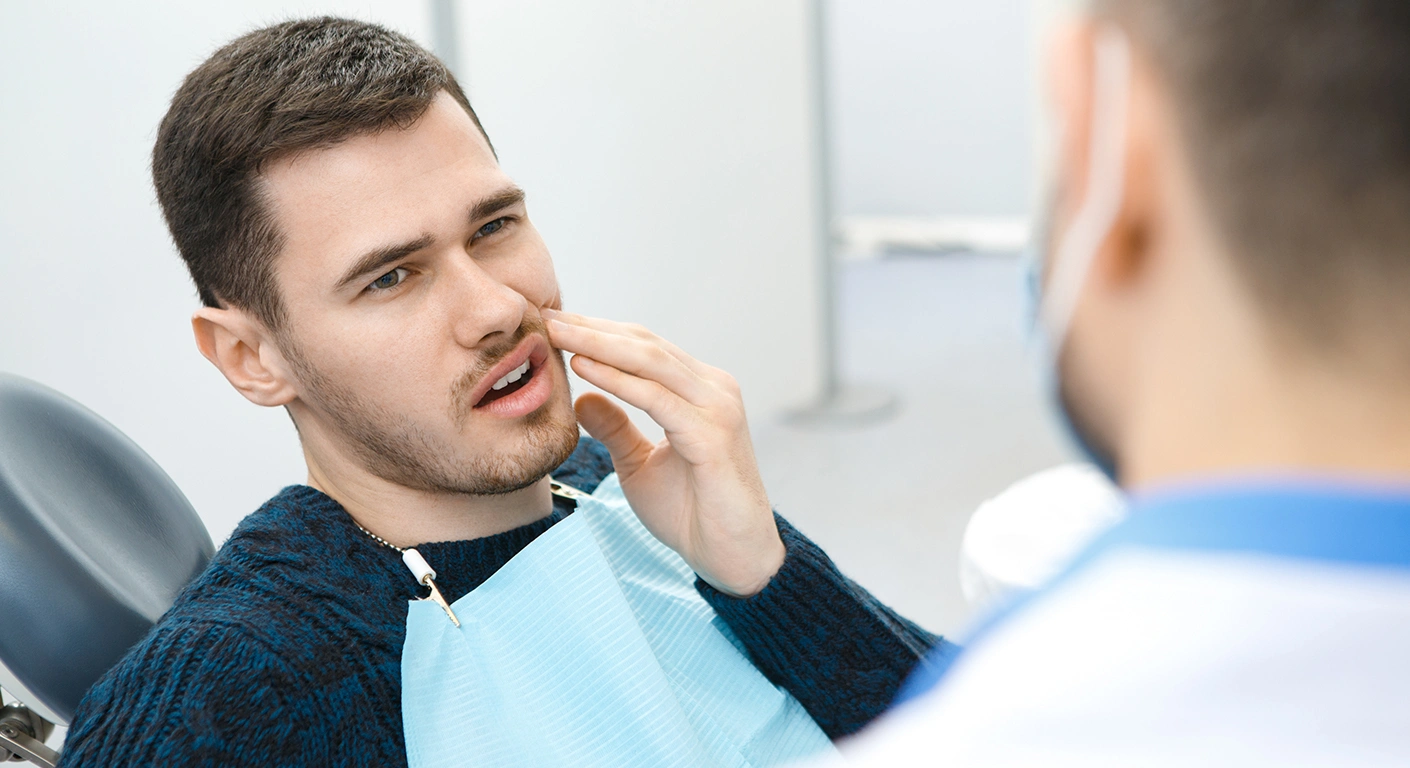
When a dental emergency strikes in Brooklyn, knowing where to turn can make all the difference. An emergency dentist in Brooklyn, NY, provides immediate care for sudden tooth pain, injuries, or infections that can’t wait for a regular appointment. Their quick response helps prevent further damage and reduces discomfort.
Many people aren’t sure when a dental issue counts as an emergency, but severe toothaches, knocked-out teeth, or broken dental work usually qualify. Emergency dentists use modern techniques designed to ease pain and restore dental health efficiently, often the same day a patient calls.
Brooklyn’s emergency dental services focus on patient comfort and clear communication, making the process less stressful. If you’re faced with a dental crisis, consulting a local emergency dentist promptly is the best way to protect your smile and health.
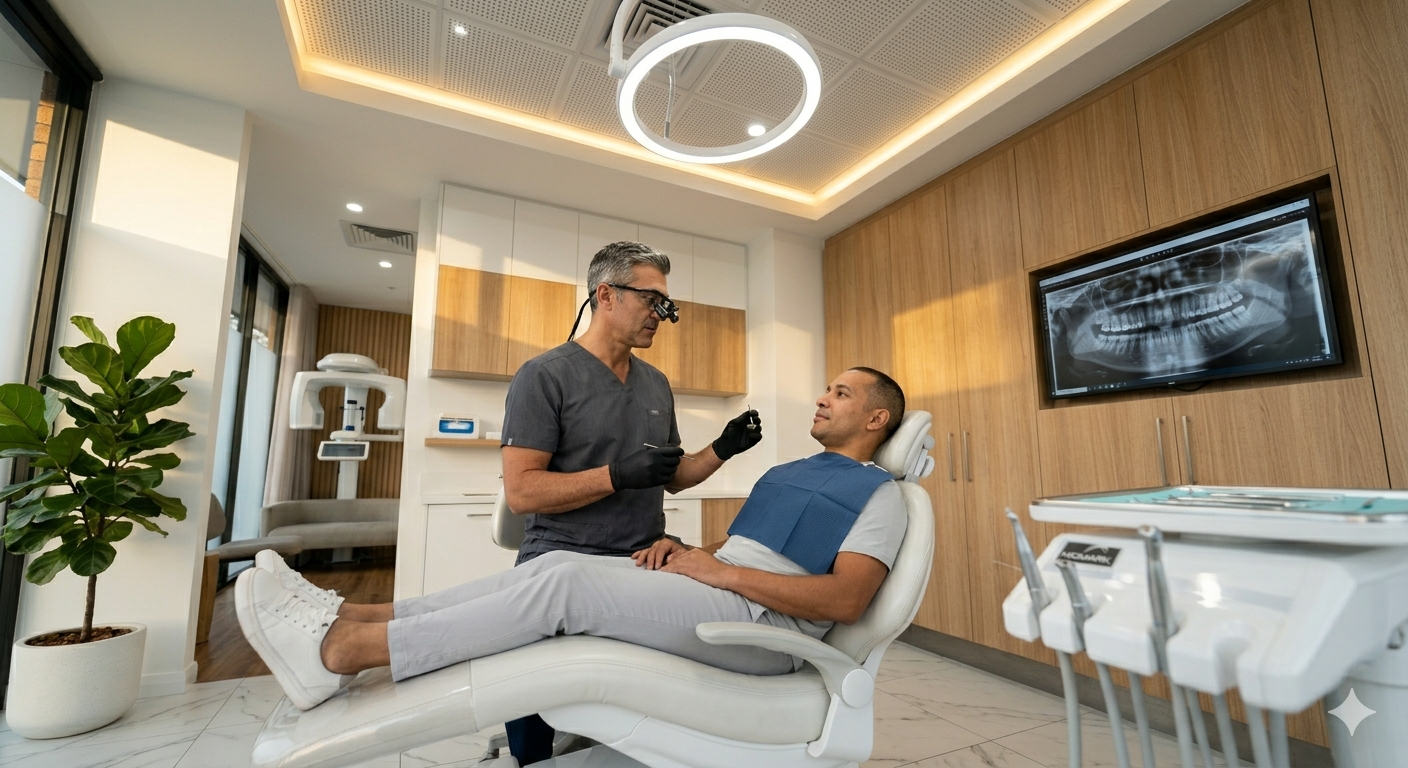
Dental emergencies can be confusing, especially when pain or damage happens unexpectedly. Knowing the signs and understanding when to act quickly helps ensure the best outcome and relief from discomfort.
Signs like severe tooth pain, swelling, and bleeding often signal a dental emergency. A knocked-out tooth, loose tooth, or broken crown also requires prompt attention.
Sudden, intense pain that won’t go away, especially if it’s accompanied by fever or swelling, usually means an infection could be present. Difficulty biting or chewing food is another warning that something needs immediate care.
If pain or injury affects your ability to speak or breathe normally, it’s urgent to seek professional help right away.
Urgent dental problems interfere with daily life or carry risk of permanent damage. Examples include severe toothache, loose or knocked-out teeth, and infections causing swelling. These need quick professional intervention.
Non-urgent concerns might be a mild toothache, small chips without pain, or lost fillings that don’t cause discomfort. These should be scheduled for a dental visit but don’t typically require emergency rooms or same-day care.
Recognizing this difference helps avoid unnecessary stress and ensures dental resources are used effectively.
Immediate care is necessary when there’s uncontrollable bleeding, severe pain that doesn’t improve with over-the-counter medication, or visible damage to teeth and gums.
If a tooth is knocked out, place it in milk or saline and see a dentist within an hour for the best chance of saving it. Swelling around the eyes or difficulty breathing also signals a need for emergency treatment.
Prompt action can prevent infections, save teeth, and reduce long-term problems. Always prioritize quick evaluation by a dental professional when in doubt.
Knowing how to respond quickly and calmly can make a big difference when a dental emergency happens. Immediate steps help reduce pain, prevent further damage, and improve the chances of saving the affected tooth.
When a tooth problem arises, the first priority is to stay calm and assess the situation. If a tooth is knocked out, it’s important to find the tooth and handle it carefully by the crown (the chewing surface), avoiding touching the root.
Rinse the tooth gently with saline or milk if dirty, never scrub it. Then, try placing it back in the socket if possible. If not, keep it moist by storing it in milk or saliva. For other issues like severe pain or swelling, rinsing the mouth with warm saltwater can help temporarily.
Avoid eating or drinking anything very hot, cold, or sugary before seeing the dentist. Call an emergency dental office right away and explain the problem clearly to get quick advice or an appointment.
Pain and swelling often accompany dental emergencies but should be managed carefully. Over-the-counter pain relievers such as ibuprofen or acetaminophen can reduce discomfort and inflammation—always follow dosing instructions.
Cold compresses applied to the cheek near the affected area can also help reduce swelling and numb the pain. Use the cold pack for 10 to 15 minutes with breaks in between to avoid skin damage.
Avoid aspirin because it can thin the blood and increase bleeding. Do not use heat on swollen areas, as it may worsen inflammation. Keeping the head elevated when lying down can also reduce swelling and throbbing pain.
If a tooth is broken, save all pieces and rinse the mouth gently with warm water. Avoid using the broken tooth for chewing. Applying a piece of gauze and pressing gently can control any bleeding.
For knocked-out teeth, time is critical. The tooth is more likely to be saved if re-implanted within an hour. Keep it moist and bring it with you to the dentist. If reimplantation isn’t possible immediately, a special tooth preservation kit can be used, which a dentist or pharmacy can provide.
Protect your mouth by avoiding strenuous activity until seen by the dentist. Using a mouthguard during physical activities can prevent further injury if emergency help is delayed.
Accessing same-day dental care in Brooklyn means patients can get immediate attention for urgent issues without waiting days or weeks. Quick appointments, flexible scheduling, and effective local treatment options reduce discomfort and prevent further complications.
Emergency dental clinics in Brooklyn typically reserve slots specifically for urgent cases. When a patient calls with a dental emergency—such as severe pain, a knocked-out tooth, or loose filling—the office staff prioritizes scheduling that same day. Some clinics offer online booking to streamline the process.
Upon arrival, the patient undergoes a quick evaluation to determine the severity of the issue. Treatment usually begins immediately, ranging from pain relief and temporary fixes to more comprehensive procedures. Clear communication about costs and treatment plans is standard before any work begins.
Immediate care prevents minor issues from escalating into serious, costly problems. For example, treating an abscess or broken tooth quickly avoids infection and potential tooth loss. Same-day care means less waiting, fewer days stuck with pain, and faster return to normal activities.
Local Brooklyn dentists know the community well and can connect patients with specialists if needed. Being nearby also reduces stress and travel—important factors when dealing with a dental emergency.
Brooklyn emergency dentists understand that emergencies don’t wait for office hours. Many offer evening and weekend appointments to fit hectic lives. Walk-ins are often welcome, too, reducing the need to plan ahead in urgent situations.
Some clinics provide payment plans or accept various insurances, making it easier for patients worried about expenses. The focus is on quick, patient-friendly solutions that don’t add to daily stress. This flexibility helps ensure no one has to endure dental pain longer than necessary.
Emergency dentists today use tools and treatments that focus on rapid relief and effective repair. Patients can expect quick pain management and durable fixes that get them back to normal routines with minimal discomfort.
Pain from dental emergencies is tackled with targeted approaches. Dentists may use local anesthesia combined with fast-acting oral medications to immediately reduce discomfort. For severe pain, they often prescribe anti-inflammatory drugs designed to both soothe and address swelling.
Sedation dentistry is available in some urgent care settings, helping anxious patients feel calm while procedures are done. These options make it easier to manage pain right at the appointment without waiting for hours.
Personalized pain management plans consider allergies, medical history, and severity. That means patients receive just the right type and dosage of medication, promoting safety alongside comfort.
Lost fillings and crowns expose sensitive areas, increasing the risk of pain and infection. Emergency dentists in Brooklyn use durable materials that can be shaped and placed swiftly during a single visit.
They perform cleanings and prepare the tooth before using composite resin or temporary crowns to restore function instantly. This stops sensitivity and protects the tooth until a permanent solution is made.
New bonding technologies allow fillings and crowns to adhere better and last longer after emergency placement. This means fewer follow-ups and less chance of additional damage while waiting for a full restoration.
Maintaining a healthy smile requires more than just quick fixes during emergencies. Focusing on daily habits and regular professional care can help reduce the chances of sudden dental issues and keep teeth strong over time.
Good oral habits are the foundation of dental health. Avoiding chewing on hard objects like ice, pens, or popcorn kernels can prevent cracks and chips in teeth. Using a mouthguard during sports or nighttime grinding protects teeth from trauma and wear.
Brushing twice daily with fluoride toothpaste and flossing once a day removes plaque that causes decay and gum disease. Drinking water instead of sugary drinks also lowers the risk of cavities.
Routine habits, such as not using teeth as tools to open packages, help avoid unnecessary damage. These small actions build strong defenses against common causes of dental emergencies.
Regular dental visits allow early detection of problems before they worsen. A dentist can identify decay, cracked teeth, or gum issues that aren’t yet painful but could cause emergencies later.
Professional cleanings remove hardened plaque (tartar) that brushing can’t handle. This reduces gum inflammation and lowers the risk of infection leading to tooth loss or abscesses.
Scheduling check-ups every six months, or as recommended, ensures timely care. Dentists can also offer personalized advice or treatments like sealants to protect vulnerable teeth.
Routine exams give peace of mind and help avoid urgent, often costly, dental repairs.
Finding the right dental team means focusing on specific qualities that ensure quality care and comfort during urgent visits. Patients should prioritize credentials, accessibility, and the approach to easing dental anxiety.
An emergency dentist in Brooklyn should have proper licensing, experience with urgent dental issues, and clear availability for after-hours care. Look for dentists who offer flexible appointment scheduling and quick response times to reduce wait periods during pain or injury.
Check if the practice uses modern diagnostic tools and treatment methods. Insurance acceptance and transparent pricing are also important. Reviews and patient testimonials provide insight into the dentist’s reliability and skill during emergencies.
A dental team that prioritizes gentle care helps reduce anxiety commonly linked to dental emergencies. They often use numbing agents, calming techniques, and patient communication to make each visit less stressful.
Comfort is not just about pain management but also about emotional support. Staff who listen and explain procedures clearly help patients feel more in control. This approach builds trust and improves the overall treatment experience.
Proper care following an emergency dental visit helps prevent complications and supports faster healing. Patients should follow straightforward steps to maintain oral hygiene and watch for any signs that require further attention.
After treatment, it’s important to avoid strenuous activity and keep pressure off the treated area. Using a cold compress can reduce swelling for the first 24 hours. Soft foods and plenty of fluids are recommended to avoid irritating sensitive spots.
Brushing gently around the affected area keeps bacteria away without causing pain. Avoid hot drinks and smoking for at least 48 hours, as they can slow healing. Taking any prescribed medications, including pain relievers or antibiotics, on schedule helps manage discomfort and prevents infection.
It’s necessary to contact the dentist if bleeding doesn’t stop after several hours or if pain worsens instead of improving. Signs of infection, such as increased swelling, fever, or pus discharge, require prompt professional care.
If numbness or unusual sensations persist beyond the expected recovery period, or if you develop difficulty swallowing or breathing, seek emergency help immediately. Any doubts about changes in your oral health after treatment should be addressed quickly to avoid further complications.
Emergency dentists in Brooklyn play a vital role in keeping the neighborhood’s smiles healthy and pain-free. They offer timely care for unexpected dental problems, reducing stress and preventing small issues from becoming serious.
These dental professionals understand the diverse needs of Brooklyn’s residents. Whether it’s a child with a knocked-out tooth or an adult with severe tooth pain, they provide personalized treatment designed to bring relief quickly and comfortably.
Many clinics also focus on education and prevention. They encourage regular check-ups and share tips on good dental habits, helping patients avoid emergencies whenever possible.
Services often include:
They work with modern tools and techniques to ensure the best outcomes with minimal discomfort. This approach builds trust and keeps patients coming back for routine care.
If you or someone you know experiences a dental emergency, the team encourages reaching out promptly. Prompt action can mean a faster recovery and better preservation of natural teeth.
Emergency dental issues can vary widely, from sudden pain to injuries needing quick care. Knowing when and how to get help can make a big difference in protecting your smile and comfort.
True emergencies include severe pain, uncontrolled bleeding, knocked-out teeth, broken or loose teeth causing pain, and swelling that affects breathing or swallowing. These situations require immediate dental attention.
Mild discomfort or sensitivity doesn’t usually need urgent care but should be checked within a few days.
Many emergency dentists in Brooklyn accept walk-ins, especially during office hours. However, calling ahead is recommended to confirm availability and reduce waiting times.
If it’s after hours or a holiday, calling first can direct you to the appropriate emergency provider.
For severe tooth pain without trauma, it’s best to see an emergency dentist first. They have the expertise and equipment to diagnose and treat dental problems directly.
Go to the ER if there is swelling impacting breathing, trauma to the face, or uncontrollable bleeding.
Rinse your mouth gently with warm salt water to reduce bacteria and soothe tissues. Use over-the-counter pain relief and cold compresses to manage pain and swelling.
Avoid chewing on the injured side and keep the area clean, but do not apply aspirin directly to the gums.
Yes, many emergency dentists can perform same-day extractions if the tooth is severely damaged or infected. They will discuss all options before proceeding.
In some cases, temporary treatments might be done first to relieve pain, with extraction scheduled later.
Yes, many emergency dentists in Brooklyn accept Medicaid, Healthfirst, and offer affordable self-pay options. It’s helpful to call ahead and ask about coverage and pricing.
Some clinics provide payment plans or sliding scale fees to make urgent care accessible.